| Why Sitting Still Is the Scariest Thing You Can Do |
| |
https://fivenightsatfreddysgame.io/
There is a particular kind of tension that only video games can produce. It is not the passive dread of watching a horror film, where you can always remind yourself that the protagonist might survive if they just make better choices. In a game, those choices are yours, and the consequences land squarely on your shoulders. Among all the titles that have mastered this feeling, few have done so with as much elegant simplicity as Fnaf. What makes it such a compelling entry point into interactive horror is not gore or jump scares alone, but the way it forces you to engage with fear through restraint rather than action. If you have been curious about what makes horror games tick, or if you simply want to understand why this particular franchise has sustained a community for over a decade, here is a grounded look at how to approach it.
Understanding the Core Loop
At first glance, the premise sounds almost mundane. You are a night security guard at a family pizzeria, sitting in an office surrounded by monitors, doors, and light switches. Your job is to survive until 6 AM while animatronic performers wander the building with unclear intentions. There is no weapon, no escape route, and no way to fight back. Every tool at your disposal consumes a limited power supply, meaning that safety is always temporary and conditional.
This resource management is what transforms the experience from a simple scare simulator into something more psychologically engaging. You are constantly weighing risk against reward. Do you check the left hallway camera again, or do you conserve power by trusting your last observation? Do you close the door preemptively, knowing it drains energy faster, or leave it open and hope nothing has moved closer? The game never tells you the correct answer because there isn't one. Each night becomes a series of micro-decisions made under pressure, and the horror emerges naturally from the uncertainty of whether you chose correctly.
What also distinguishes this style of gameplay is its reliance on audio cues and environmental storytelling. The animatronics are not just visual threats; they are auditory ones. Footsteps, mechanical whirring, distant laughter, and static all carry information. Learning to play effectively means learning to listen actively. Over time, you develop a mental map of the building not through explicit instruction, but through accumulated sensory data. This organic learning process mirrors how real vigilance works, which is part of why the immersion feels so complete.
Practical Tips for New Players
If you are considering trying the game, a few adjustments in mindset will serve you better than any walkthrough. First, resist the urge to memorize patterns too early. Part of the intended experience is the disorientation of not knowing what triggers movement or when danger escalates. Let yourself be uncertain for at least the first two nights. The anxiety of unfamiliarity is a feature, not a flaw.
Second, treat sound as your primary sense. Many new players fixate on the cameras and neglect their ears, but audio often provides earlier warnings than visuals. Invest in decent headphones or speakers, and pay attention to directional cues. A sound coming from your left means something different than one from directly ahead. Building this habit early prevents the frantic camera-switching that burns power unnecessarily.
Third, manage your own physiological responses. Horror games work best when you allow yourself to feel uncomfortable without panicking. If you find yourself holding your breath or tensing up, notice it and deliberately relax your shoulders. This is not about eliminating fear—it is about staying functional within it. Panic leads to hasty decisions, and hasty decisions drain resources. The game rewards calm observation over reactive desperation.
Fourth, accept failure as information. Dying in this game is rarely arbitrary; it usually reveals something about timing, positioning, or resource allocation you hadn't yet internalized. Rather than restarting immediately out of frustration, take a moment to recall what happened in the seconds before the loss. That brief reflection accelerates learning far more than brute repetition.
Finally, engage with the lore at your own pace. The narrative is deliberately fragmented, hidden in minigames, phone calls, and environmental details. Some players enjoy piecing it together during their first playthrough; others prefer to focus purely on survival mechanics initially. Neither approach is wrong. The story enriches the experience, but it does not gatekeep enjoyment.
Final Thoughts on Interactive Fear
What ultimately makes this genre rewarding is not the terror itself, but the competence that grows alongside it. The first night feels overwhelming because everything is unknown. By the fifth night, the same environment feels readable, almost intimate. You have not become braver; you have become knowledgeable. That transformation—from helpless to capable—is the real payoff, and it is something only interactive media can offer.
Horror games like Fnaf succeed because they respect the player's intelligence. They do not explain themselves fully, they do not hold your hand through every scare, and they trust you to find your own rhythm within their systems. Whether you are a longtime fan revisiting familiar halls or someone stepping into the pizzeria for the first time, remember that the goal is not perfection. It is presence. Be there, stay attentive, and let the darkness teach you something about how you handle the unknown.
by Samuel Davidson | |
10月8日(木)16:18 | 掲示板 | 管理
|
コメントを書く (現在0件) (現在0件) |
| Cast Your Line: A Relaxing Dip into Tiny Fishing |
|  | |
Life can be hectic, and sometimes you just need a moment to unwind and enjoy something simple. That’s where the charm of a game like Tiny Fishing comes in. It’s a delightful, straightforward experience that offers a surprisingly satisfying escape from the daily grind. Forget complex storylines or high-stakes competition; Tiny Fishing is all about the joy of the catch.
https://tinyfishingame.com/
What is Tiny Fishing?
Imagine a cozy, vibrant fishing pond, a simple rod, and the endless possibility of reeling in a colorful array of fish. That’s the essence of Tiny Fishing. This accessible browser game provides a gentle, addictive loop of casting your line, catching fish, earning coins, and upgrading your gear to catch even bigger and better specimens. It's the perfect antidote to stress, a digital fishing trip that requires no real bait, sunblock, or early morning alarms. You can experience it for yourself at Tiny Fishing
How to Play (and Master) Tiny Fishing
Playing Tiny Fishing is incredibly intuitive, making it perfect for gamers of all ages and skill levels.
Casting Your Line: The core mechanic is simple. Click and hold your mouse button (or tap on a mobile device) to power up your cast. A meter will fill, indicating the depth your line will reach. Release the button to cast. The deeper you cast, the more variety of fish you'll encounter.
Reeling Them In: Once your lure is in the water, fish will swim towards it. When one bites, a small "!" will appear. Click or tap again to hook the fish. As you reel it in, try to collect as many other fish as possible along the way - this increases your earnings!
Earning and Upgrading: Each fish you catch earns you coins. These coins are your key to progression. Head to the shop (usually represented by an icon at the bottom of the screen) to spend your hard-earned cash. You can upgrade:
Line Length: Cast deeper to find rarer, more valuable fish.
Offline Earnings: Earn coins even when you're not actively playing.
Fish Value: Increase the price of every fish you catch.
Max Fish: Carry more fish per cast, boosting your income.
Tips for a Bigger Catch
Prioritize Upgrades: Early on, focus on upgrading your "Length" and "Strength" to maximize your catch per cast.
Balance is Key: Once you've got a decent length and strength, don't forget to invest in "Offline Earnings" to keep the money flowing even when you're not actively playing.
Explore New Areas: Don't be afraid to unlock new fishing spots as soon as you can afford them. They often offer more valuable fish and a fresh visual experience.
Relax and Enjoy: The beauty of Tiny Fishing is its low-pressure environment. Don't feel like you need to optimize every single move. Just cast your line, watch the fish come in, and enjoy the calming process.
Conclusion
Tiny Fishing is more than just a game; it's a pleasant diversion that offers a sense of accomplishment without the pressure. Its simple mechanics and satisfying upgrade loop make it a perfect choice for those moments when you need a gentle escape. So, why not cast your worries aside for a while and see what treasures await in the digital depths? Happy fishing!
by EdenForrest | |
10月1日(木)13:09 | 掲示板 | 管理
|
| コメントを書く(現在0件) |
| A Journey into Infinite Craft |
|  | |
Have you ever wondered what would happen if you combined "fire" and "ocean"? Or perhaps "time" and "human"? If your mind enjoys the thrill of discovery and the satisfaction of creation, then you’re in for a treat with Infinite Craft. This deceptively simple yet endlessly fascinating browser game offers a unique blend of logic, imagination, and a touch of delightful absurdity.
https://infinitecrafts.io
Gameplay: The Art of Combination
The core gameplay loop is incredibly intuitive. On your screen, you'll see your available elements. To create something new, simply drag one element onto another. The magic happens when the game processes your combination. For instance, drag "Water" onto "Fire," and you'll likely discover "Steam." Combine "Earth" with "Water," and you might get "Plant" or "Mud." The beauty lies in the often-unexpected results. Who knew "Human" + "Dust" could lead to "Vampire"? Or that combining "Mountain" and "Wind" might yield "Avalanche"?
As you create new elements, they are added to your growing inventory on the left side of the screen. This ever-expanding list becomes your palette, allowing for increasingly complex and bizarre concoctions. The joy comes from the sheer unpredictability and the "aha!" moments when a combination clicks, unlocking a whole new branch of discovery. There’s no pressure, no timer, just the gentle hum of your imagination at work.
Tips for the Budding Creator
While Infinite Craft is designed for free-form exploration, a few tips can enhance your journey:
Experiment Fearlessly: There's no wrong answer. If a combination doesn't yield anything new, simply try another. Some of the most interesting discoveries come from seemingly illogical pairings.
Think Broadly, Then Niche: Start with fundamental concepts (elements, nature, basic objects). Once you have a solid foundation, you can delve into more specific areas like technology, mythology, or even famous personalities.
Work Backwards (Sometimes): If you have a specific word in mind you want to create, try to break it down into its constituent parts. Want "Dragon"? Maybe you need "Lizard" and "Fire," then figure out how to get those.
Embrace the Absurd: Part of the charm of Infinite Craft is its playful nature. Don't be afraid to try silly or nonsensical combinations – you might just stumble upon something truly unique and hilarious.
Don't Be Afraid to Start Over (Mentally): If you feel stuck, take a break. Sometimes a fresh perspective helps you see combinations you previously overlooked.
A Universe at Your Fingertips
Infinite Craft is more than just a game; it's a digital playground for creativity and curiosity. It encourages exploration, logical thinking, and a healthy dose of serendipity. Whether you have five minutes or an hour to spare, diving into its endless possibilities is a wonderfully rewarding experience. So go forth, mix and match, and see what wonders you can conjure from the primordial soup of your imagination. Happy crafting!
by JulianHead | |
9月27日(日)10:47 | 掲示板 | 管理
|
| コメントを書く(現在0件) |
| Unlocking the Fun: A Beginner's Guide to Block Bla |
|  | |
In the vast universe of mobile games, sometimes the simplest concepts deliver the most satisfying experiences. If you're looking for a relaxing yet engaging puzzle that's easy to pick up but offers endless hours of strategic fun, look no further than Block Blast. This charming game, available at Block Blast, is a fantastic example of a well-executed block-puzzle formula that can captivate players of all ages.
https://blockblasts.io/
What is Block Blast?
At its core, Block Blast is a grid-based puzzle game inspired by the classic Tetris, but with a unique and refreshing twist. Instead of falling blocks, you're presented with a selection of pre-determined blocks at the bottom of the screen. Your goal is to drag and drop these blocks onto a 10x10 grid, aiming to create complete rows or columns. Once a line is filled, it magically disappears, clearing space and earning you points. The game continues until you run out of space on the grid and can no longer place any of the available blocks.
The Gameplay Loop: Simple Yet Strategic
The beauty of Block Blast lies in its elegant simplicity. You're given three blocks at a time, each with a different shape. Carefully consider their form and the current state of your grid before placing them. There's no time limit, so you can take your time to strategize and plan your moves.
This isn't just about randomly dropping blocks, however. To achieve high scores and prolong your game, you need to think ahead. Can you set up a combo by clearing multiple lines with a single placement? Is it better to clear a single line now or save a crucial block for a more impactful move later? These are the kinds of questions you'll be asking yourself as you delve deeper into the game. The satisfying "thunk" as blocks fall into place and the visual reward of clearing lines make the experience incredibly addictive.
Tips for Mastering the Grid
While Block Blast is easy to understand, there are a few tips that can help you become a true grid-clearing master:
Prioritize Clearance: Always look for opportunities to clear lines, especially if your grid is getting full. Empty space is your most valuable asset.
Think in Combos: Clearing multiple lines at once earns you bonus points and feels incredibly satisfying. Try to set up situations where you can achieve this.
Don't Waste Small Blocks: The tiny 1x1 or 1x2 blocks are invaluable for filling in awkward gaps. Don't use them haphazardly if you can save them for a more strategic placement.
Keep an Open Middle: While it's tempting to fill the edges, try to keep the center of your grid as open as possible. This gives you more flexibility for larger blocks later on.
Observe the Next Blocks: While you only see three blocks at a time, you can usually anticipate the general shapes that are coming next. This can influence your current placements.
Practice Makes Perfect: The more you play, the more intuitive the placements will become. You'll start to recognize patterns and develop your own strategies. If you're curious, you can find the game at Block Blast.
Conclusion: A Puzzle for Every Mood
Block Blast is more than just a time-killer; it's a wonderfully designed puzzle game that offers a perfect blend of relaxation and mental stimulation. Whether you have five minutes to spare or want to settle in for a longer gaming session, its straightforward mechanics and endless replayability make it an excellent choice. So, next time you're looking for a delightful and engaging puzzle experience, give Block Blast a try – you might just discover your new favorite game!
by IdaTaylor | |
9月24日(木)11:31 | 掲示板 | 管理
|
| コメントを書く(現在0件) |
| Wordle NYT Game: Why It Became a Daily Ritual |
|  | |
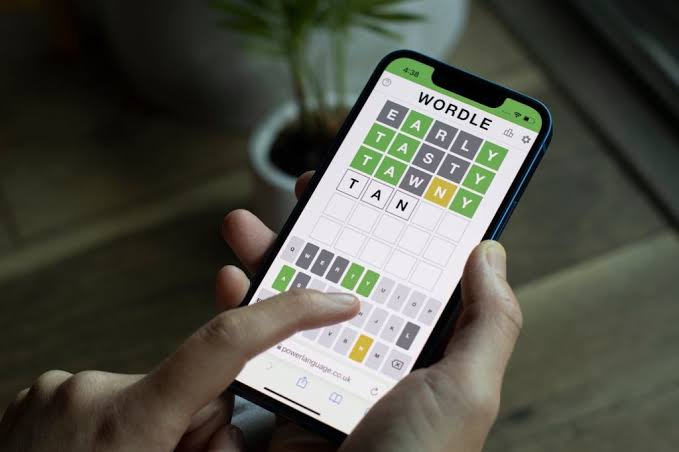
Wordle is one of the most recognizable digital word puzzles in the world. Now part of The New York Times Games, it challenges players to guess a five-letter word in six tries. What seems simple at first glance has become a global habit, a social phenomenon, and a model for how elegant game design can capture mass attention.
Play at: https://wordle-nyt.org/
What Makes Wordle So Addictive?
At its core, Wordle works because of its clarity. The rules are easy to learn: enter a five-letter word, then use the color feedback to refine your next guess. Green means the letter is correct and in the right spot, yellow means the letter is in the word but in the wrong spot, and gray means the letter is not in the answer.
This feedback loop creates a satisfying mix of logic, vocabulary, and pattern recognition. Unlike many modern games, Wordle does not rely on flashy graphics, long tutorials, or endless progression systems. It respects the player’s time. That simplicity is a major reason for its broad appeal.
Why the New York Times Acquisition Matters
When The New York Times acquired Wordle, the game moved from being an independent viral hit to part of a larger puzzle ecosystem that includes Connections, The Mini, and the Crossword. This shift mattered for two reasons.
First, it gave Wordle a permanent home and likely helped preserve its daily format. Second, it strengthened the Times’ growing identity as a destination for casual brain games, not just journalism. For the Times, Wordle is more than entertainment—it is a gateway that can draw players into other subscription-based games.
However, this also raised concerns among some fans. A game that once felt free, open, and universal became part of a premium digital strategy. That led to debate about whether the spirit of Wordle changed after the purchase. Supporters argue the Times maintained the game’s integrity. Critics worry that monetization could eventually limit accessibility.
The Social Power of a Simple Puzzle
One of Wordle’s biggest strengths is its shareability. The colored emoji grid lets players post results without spoiling the answer, turning each game into a social conversation. This feature helped Wordle spread rapidly across social media and among friends, families, and coworkers.
Unlike competitive games that divide players by rank or skill, Wordle creates a shared daily experience. Everyone gets the same puzzle. Everyone has the same chance. That equality is part of its charm.
Arguments For and Against Wordle’s Popularity
Supporters say Wordle is a healthy, low-pressure game that improves vocabulary, concentration, and problem-solving. It offers a quick mental reset and encourages daily routine without heavy screen time.
Critics, however, argue that Wordle’s popularity reflects how digital culture can overvalue simple viral hits. Some also point out that once a game becomes a trend, it can be reduced to a social status symbol rather than an enjoyable puzzle.
Both views have merit. Yet the lasting success of Wordle suggests it offers something deeper than a passing trend: a clean, rewarding challenge that is easy to return to.
Conclusion
Wordle’s success is not accidental. It combines accessible design, daily consistency, and social sharing in a way few games manage. As part of The New York Times Games lineup, it continues to stand as a symbol of modern puzzle culture—simple enough for anyone to try, but clever enough to keep millions coming back.
by tuanheo | |
9月15日(火)01:28 | 掲示板 | 管理
|
| コメントを書く(現在0件) |
| Geometry Dash: Why This Rhythm-Based Game Still Ca |
|  | |
Geometry Dash is a deceptively simple game with a surprisingly deep appeal. At first glance, it seems like just another fast-paced platformer: a cube jumps over spikes, flies through portals, and tries not to crash. But beneath that minimal design lies a game that has built a massive global following, inspired an active creative community, and become one of the most recognizable indie titles in mobile gaming.
Play at: https://geometrylitepc.net/
A Simple Concept, an Intense Experience
The core of Geometry Dash is straightforward. Players control a character that moves automatically through levels filled with obstacles. The only action required is tapping to jump, but timing is everything. Each level is synchronized to music, turning gameplay into a rhythm challenge where movement and soundtrack work together.
This simplicity is part of the game’s strength. There are no complicated controls or lengthy tutorials. Anyone can start playing within seconds. However, the difficulty ramps up quickly, and success depends on precision, memory, and patience. That combination makes the game highly accessible but also deeply challenging.
Why It Stands Out
One of the main reasons Geometry Dash remains popular is its unique blend of frustration and satisfaction. Failing repeatedly is expected, but each mistake teaches the player something new. This creates a powerful loop: struggle, improve, and eventually succeed. Beating a hard level feels genuinely rewarding because progress is earned through skill rather than luck.
The game also benefits from its strong audiovisual identity. Bright colors, sharp geometric shapes, and energetic music make each level memorable. Unlike many games that rely on realism, Geometry Dash embraces stylized minimalism. That visual clarity is not only attractive but functional, helping players focus on timing and obstacles.
The Role of Community and Creativity
A major factor in the game’s long-term success is its level editor. Players are not limited to official stages; they can create and share their own levels. This has led to an enormous library of community-made content, ranging from simple beginner maps to extremely difficult “demon” levels that test even expert players.
This creative freedom has turned Geometry Dash into more than a game—it is also a platform for expression. Many players enjoy designing levels as much as playing them. The community has developed its own standards, challenges, and culture, giving the game longevity far beyond what a typical mobile title might achieve.
Criticism and Limitations
Despite its strengths, the game is not for everyone. Its difficulty can feel punishing, especially for casual players. Progress often comes through repeated failure, which some may find stressful rather than enjoyable. In addition, the minimalist gameplay loop can become repetitive for those seeking variety or narrative depth.
Still, these limitations are part of the game’s identity. Geometry Dash does not try to be everything to everyone. Instead, it focuses on one experience and refines it carefully.
Conclusion
Geometry Dash is a remarkable example of how a simple idea can become something enduring. By combining rhythm, precision, creativity, and community, it has created a game that is both challenging and endlessly replayable. Its appeal lies not in complexity, but in execution. For players who enjoy skill-based games with strong musical pacing and a thriving creative scene, Geometry Dash remains one of the most compelling choices available.
by hoaiheo | |
9月15日(火)01:25 | 掲示板 | 管理
|
| コメントを書く(現在0件) |
| Deep Dive into the Addictive Charm of Crossy Road |
| |
Ever found yourself with a few minutes to spare, yearning for a quick burst of fun that's easy to pick up but surprisingly challenging to master? Look no further than Crossy Road, the iconic arcade hopper that has captivated millions with its pixelated charm and deceptively simple premise. This isn't just another mobile game; it's a testament to how elegant design and endless replayability can create a truly memorable experience.
https://crossyroadfree.com
Introduction: The Endless Journey of a Chicken (and Friends)
At its heart, Crossy Road is a modern take on the classic Frogger, but with a delightful twist of vibrant characters, ever-changing landscapes, and a relentless forward momentum. You start as a plucky chicken, tasked with an seemingly impossible mission: cross an endless series of roads, rivers, and train tracks without getting splatted, drowned, or run over. There's no finish line, no boss battles – just the pure, unadulterated joy (and occasional frustration) of seeing how far you can get. It's a game that instantly hooks you with its nostalgic aesthetic and intuitive controls, making it perfect for a quick five-minute session or an extended marathon.
Gameplay: The Art of the Perfect Hop
The controls in Crossy Road are beautifully straightforward. Tap the screen to move your character forward one square. Swipe left or right to move horizontally. That's it! Your primary goal is to avoid oncoming traffic – cars, trucks, trains – and navigate treacherous rivers by hopping onto floating logs and lily pads. The environment is procedurally generated, meaning every play-through offers a unique sequence of obstacles. This keeps the game fresh and prevents it from becoming repetitive. As you progress, the pace quickens, the traffic density increases, and new environmental hazards like speeding trains or slippery ice patches are introduced, demanding quicker reflexes and more strategic planning. Collect coins along the way, which can be used to unlock a vast array of new characters, each with its own unique visual flair and sometimes even subtle gameplay alterations.
Tips for the Aspiring Hopper
While the game is simple, mastering it requires a bit of finesse. Here are a few pointers to help you achieve those high scores:
Patience is a Virtue: Don't rush into traffic. Wait for gaps, even if it means momentarily pausing your forward momentum.
Look Ahead: Always try to plan your next few moves. Are there logs appearing on the river? Is a train approaching in the distance?
Side-to-Side Strategy: Don't be afraid to move left and right to find safer paths. Sometimes, a quick sidestep can save you from an unexpected vehicle.
Coin Management: Collect coins strategically. Don't put yourself in unnecessary danger just for a single coin.
Character Diversity: Experiment with different characters. While they don't drastically alter gameplay, some players find certain characters easier to control or more visually appealing.
Conclusion: A Timeless Arcade Gem
Crossy Road is more than just a game; it's a delightful exercise in quick thinking, pattern recognition, and pure, unadulterated fun. Its endearing graphics, catchy sound effects, and endless replayability make it a standout in the mobile gaming landscape. Whether you're a seasoned gamer or just looking for a casual distraction, Crossy Road offers an accessible yet deeply engaging experience that will keep you coming back for "just one more go." So, next time you have a moment, why not dive in and see how far you can guide your chosen character on their epic, pixelated journey?
by Molly Cleggett | |
8月20日(木)10:31 | 掲示板 | 管理
|
| コメントを書く(現在0件) |
| PokeRogue: The Pokemon Roguelike That Ate My Entir |
|  | |
A Chance Discovery Worth Making
I was hunting for something quick to play during a lunch break when I stumbled onto PokeRogue. The pitch sounded almost too good to be true — a Pokemon-style adventure, but built like a roguelike where every run starts fresh and death actually means something. A browser game with no account required and no downloads? That alone was enough to get me clicking. https://playpokerogue.com and https://dex.playpokerogue.com
What really hooked me before I even started is that this isn't a fan-made reskin. PokeRogue takes the core Pokemon formula and turns it inside out, and that mix of familiarity and unpredictability is exactly what I'd been craving without realizing it.
My First Run Was a Humble Lesson
The retro pixel graphics hit me with instant nostalgia the moment the title screen loaded. It felt like booting up a classic Game Boy title, but the energy underneath is anything but old-school. I picked my first starter and charged ahead, confident I'd breeze through like in the mainline games.
That confidence lasted about ten minutes. I got absolutely flattened by a trainer I underestimated, and I watched my whole run implode in front of me. The sting of losing everything made me furious — but weirdly, that's also what made me want to jump right back in. I honestly didn't expect punishment to feel this motivating.
How the Gameplay Actually Works
Each run drops you into a biome and pushes you through ten consecutive battles per stretch, mixing wild Pokemon, trainers, and even gym leaders along the way. There are no Pokemon Centers to heal up at, which changes everything. Every potion matters, every choice carries weight, and you learn pretty fast to treat your team like a precious resource rather than a squad of disposable fighters.
Catching Pokemon mid-run lets you build a flexible team on the fly, and you can switch between your lineup strategically when a matchup looks bad. What really surprised me is how much your choices persist even after a run ends. Pokemon you catch get unlocked as new starter options, and their abilities and stats improve for your next attempt. It's a permanent progression loop buried inside a permadeath structure, and it's addictive in the best possible way.
Each run feels completely different because the encounters, items, and randomized options shift every time. Some runs I'm swimming in strong catches; others I'm scraping by on careful moves and stubborn luck.
Why I Keep Coming Back for One More Run
The challenge is real. Losing a battle means starting over, and that constant tension keeps every fight thrilling. One careless move and it's all over.
There's no comfort zone. Since there are no Pokemon Centers, you're always balancing risk against reward. Hoard items for a tough boss, or use them now and hope? That decision never gets old.
Team building gets genuinely deep. Picking starters is limited by a value system, so you can't just stack five overpowered legendaries. You're forced to think about synergy, type coverage, and which Pokemon pair well together — a real Pokemon strategy game in disguise.
Every run teaches you something. After a few runs I started recognizing which combinations worked, which of my favorite Pokemon were secretly useless in this format, and when to play defensively. That slow improvement after each failed run is deeply satisfying.
My Favorite Features
Egg gacha unlocks that reward defeating gym leaders and add fresh Pokemon and hidden moves to future runs
The starter value system, which makes team composition a fun puzzle instead of a power trip
Retro pixel graphics that capture that classic Pokemon charm without bloated 3D textures
No sign-up, no barrier to entry — just open a tab and start playing
Who Should Give It a Shot
Pokemon fans will love seeing familiar faces in a completely fresh context. Roguelike enthusiasts who enjoy any roguelike adventure will appreciate the permadeath and randomized runs. Strategy-minded players will find plenty to chew on with the deep team building and IV mechanics. And honestly, even casual browser gamers will get drawn in — it's easy to learn and runs are short enough to squeeze into spare moments, all wrapped in satisfying turn-based battles.
Why I'll Keep Playing
I've already got a roster of favorite Pokemon I'm trying to improve across runs, and there's a long list of starters I haven't even unlocked yet. Every session, even a bad one, leaves me with something new — a better team, a smarter strategy, or just a funny mistake I won't repeat.
PokeRogue has become my go-to whenever I want a quick but rewarding gaming session. It respects my time, keeps me guessing, and never lets me get too comfortable. I suspect I'll be coming back to it for a long while.
by Chester M. Dewar | |
8月18日(火)12:20 | 掲示板 | 管理
|
| 1: Antonimenta
| | |
I really enjoy articles that present information in such a straightforward way. The content is detailed enough to be informative without being overwhelming. The presentation feels natural, almost like a conversation where knowledge is being shared. That's Not My Neighbor
| |
| by Antonio | Mail | 9月10日(木)13:36
|
| | コメントを書く(現在1件) |
| testttttttt |
| |
testtttttttttttttt
by tttttttttttttttttttttttttttt | |
8月10日(月)05:12 | 掲示板 | 管理
|
| コメントを書く(現在0件) |
| Papa's Freezeria Guide: How to Get 100% Scores & B |
| |
If you love time-management strategy games, Papa's Freezeria is undoubtedly a title that holds a special place in your heart. Set on the sunny, tropical Calypso Island, your goal is to run Papa Louie’s busy oceanfront ice cream parlor, craft delicious sundaes, and keep a growing line of quirky customers happy.
Play at: https://papasfreezeriatogo.com
However, moving from a beginner scooper to a true Sundae Master requires more than just fast fingers. This comprehensive Papa’s Freezeria guide breaks down exact techniques to achieve 100% Perfect Scores across all stations, prioritize the best shop upgrades, and handle the game’s toughest customers: The Closers.
by Lea Zimmer | |
7月30日(木)10:42 | 掲示板 | 管理
|
| コメントを書く(現在0件) |
(1/8ページ)
>1< 2 3 4 5 6 7 8 最後
|
 記事を書く
記事を書く 管理者ログイン