| Wordle NYT Game: Why It Became a Daily Ritual |
|
 |
|
Wordle is one of the most recognizable digital word puzzles in the world. Now part of The New York Times Games, it challenges players to guess a five-letter word in six tries. What seems simple at first glance has become a global habit, a social phenomenon, and a model for how elegant game design can capture mass attention.
Play at: https://wordle-nyt.org/
What Makes Wordle So Addictive?
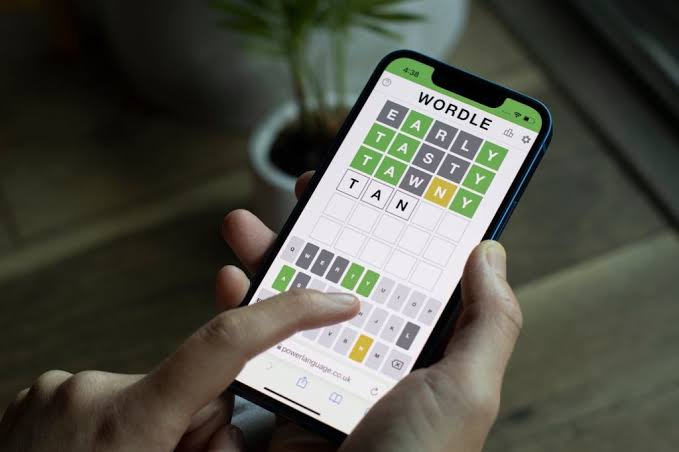
At its core, Wordle works because of its clarity. The rules are easy to learn: enter a five-letter word, then use the color feedback to refine your next guess. Green means the letter is correct and in the right spot, yellow means the letter is in the word but in the wrong spot, and gray means the letter is not in the answer.
This feedback loop creates a satisfying mix of logic, vocabulary, and pattern recognition. Unlike many modern games, Wordle does not rely on flashy graphics, long tutorials, or endless progression systems. It respects the player’s time. That simplicity is a major reason for its broad appeal.
Why the New York Times Acquisition Matters
When The New York Times acquired Wordle, the game moved from being an independent viral hit to part of a larger puzzle ecosystem that includes Connections, The Mini, and the Crossword. This shift mattered for two reasons.
First, it gave Wordle a permanent home and likely helped preserve its daily format. Second, it strengthened the Times’ growing identity as a destination for casual brain games, not just journalism. For the Times, Wordle is more than entertainment—it is a gateway that can draw players into other subscription-based games.
However, this also raised concerns among some fans. A game that once felt free, open, and universal became part of a premium digital strategy. That led to debate about whether the spirit of Wordle changed after the purchase. Supporters argue the Times maintained the game’s integrity. Critics worry that monetization could eventually limit accessibility.
The Social Power of a Simple Puzzle
One of Wordle’s biggest strengths is its shareability. The colored emoji grid lets players post results without spoiling the answer, turning each game into a social conversation. This feature helped Wordle spread rapidly across social media and among friends, families, and coworkers.
Unlike competitive games that divide players by rank or skill, Wordle creates a shared daily experience. Everyone gets the same puzzle. Everyone has the same chance. That equality is part of its charm.
Arguments For and Against Wordle’s Popularity
Supporters say Wordle is a healthy, low-pressure game that improves vocabulary, concentration, and problem-solving. It offers a quick mental reset and encourages daily routine without heavy screen time.
Critics, however, argue that Wordle’s popularity reflects how digital culture can overvalue simple viral hits. Some also point out that once a game becomes a trend, it can be reduced to a social status symbol rather than an enjoyable puzzle.
Both views have merit. Yet the lasting success of Wordle suggests it offers something deeper than a passing trend: a clean, rewarding challenge that is easy to return to.
Conclusion
Wordle’s success is not accidental. It combines accessible design, daily consistency, and social sharing in a way few games manage. As part of The New York Times Games lineup, it continues to stand as a symbol of modern puzzle culture—simple enough for anyone to try, but clever enough to keep millions coming back.
by tuanheo | |
9月15日(火)01:28 | 掲示板 | 管理
|
コメントを書く (現在0件) (現在0件) |